Alex
Alex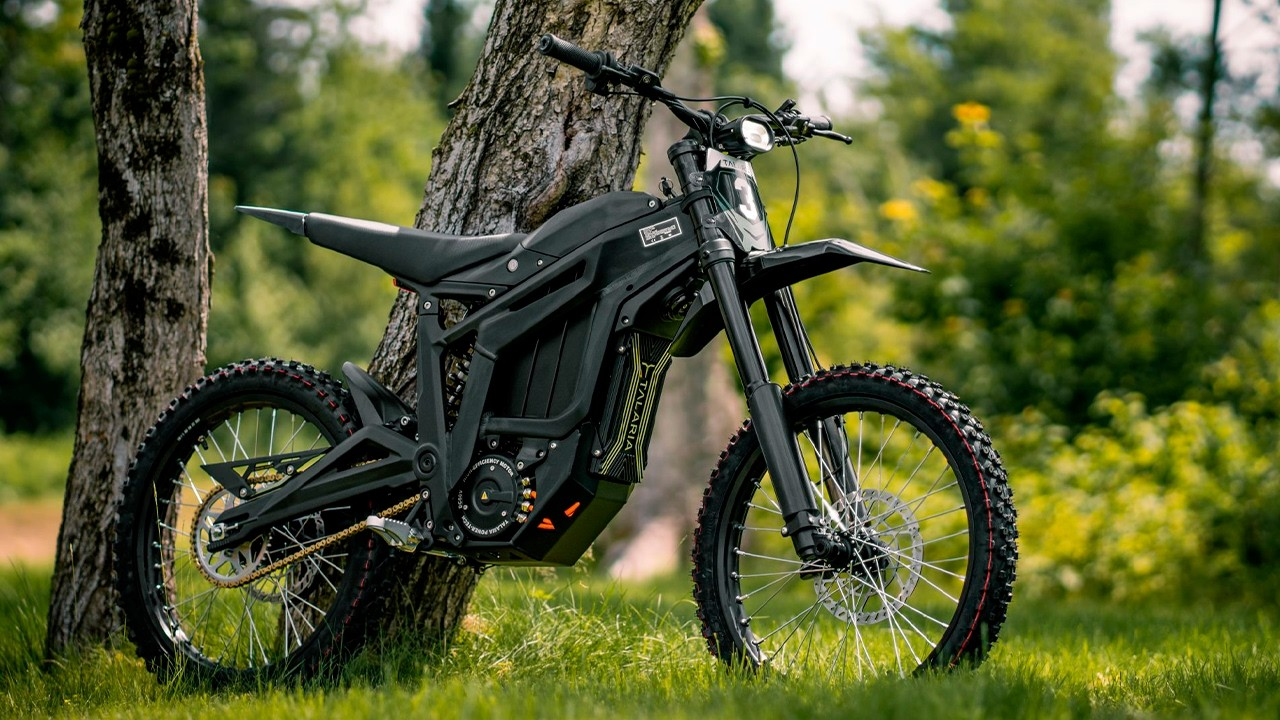
The talaria ebike has become a major talking point in the electric off-road segment because it challenges the traditional idea of what an “e-bike” actually is. Instead of focusing on pedal assist and light commuting, Talaria machines push into performance territory that closely resembles lightweight electric dirt bikes. This shift is reshaping expectations for riders who want speed, durability, and off-road capability in one platform.
How the Talaria Ebike Fits Into the Electric Vehicle Market
The talaria ebike, produced by Talaria, sits in a unique category between electric bicycles and electric motorcycles. While many e-bikes are regulated based on pedal-assist limits, Talaria models are often classified differently depending on region due to their throttle-based power delivery and higher performance output.
This positioning has helped Talaria gain attention from both recreational riders and off-road enthusiasts who previously relied on gas-powered dirt bikes. The transition is part of a larger global trend toward electrification in small vehicle categories.
Key Technical Highlights of Talaria Ebike Systems
A modern talaria ebike typically includes several core engineering features that define its performance:
1. High-Torque Electric Motor Systems
These motors are optimized for instant acceleration rather than gradual power buildup. This makes them ideal for steep climbs and technical trails.
2. Lightweight Structural Frame
Aluminum alloy frames reduce weight while maintaining rigidity, improving handling and rider control on uneven terrain.
3. High-Efficiency Battery Packs
Lithium battery systems are designed for long ride times and stable power output, even under demanding conditions.
4. Off-Road Suspension Geometry
Long-travel suspension helps absorb shocks from jumps, rocks, and rough terrain, improving comfort and safety.
Each of these components works together to create a balanced machine that performs well in challenging environments.
Real-World Riding Scenarios
The talaria ebike is used in a variety of real-world situations beyond just recreational trail riding. Off-road riders often use it for:
- Forest trail exploration
- Mountain climbing routes
- Dirt track practice sessions
- Adventure riding in remote areas
Because of its electric drivetrain, it is especially effective in areas where noise restrictions limit gasoline engine use. The near-silent operation allows riders to enjoy nature more without heavy environmental disturbance.
In urban-adjacent areas, some riders also use the bike for short transport between off-road zones, although legal restrictions vary widely.
Power Delivery and Riding Behavior
One of the most defining traits of the talaria ebike is its throttle response. Unlike traditional motorcycles that rely on gear shifting and engine RPM, Talaria systems deliver power instantly through electronic control.
This creates a riding style that is more about precision throttle control than mechanical shifting. Riders learn to modulate acceleration carefully, especially in slippery or technical terrain where sudden power could reduce traction.
The smooth electric torque curve also helps maintain control during climbs, where consistent power is more useful than peak horsepower.
Battery Efficiency and Charging Considerations
Battery management is a key factor in the performance of a talaria ebike. Depending on usage, terrain, and riding intensity, battery consumption can vary significantly.
Aggressive riding with frequent acceleration will reduce range, while steady trail riding increases efficiency. Many riders develop strategies to balance speed and endurance based on their route.
Charging is typically done using standard wall chargers, with full recharge times ranging from a few hours depending on battery capacity and charger output. Some advanced users carry spare batteries for extended riding sessions.
Durability and Environmental Resistance
Off-road riding places heavy stress on all components, and the talaria ebike is built to withstand these conditions. Key durability features include:
- Reinforced frame joints for impact resistance
- Sealed electrical components to resist dust and moisture
- Strong wheel assemblies designed for rough landings
This rugged construction allows the bike to perform reliably in environments where mud, gravel, sand, and water exposure are common.
Maintenance Benefits Compared to Gas Bikes
One of the strongest advantages of the talaria ebike is reduced maintenance complexity. Traditional dirt bikes require frequent engine servicing, fuel system cleaning, and oil changes.
In contrast, Talaria models eliminate combustion-related maintenance entirely. Riders typically focus on:
- Brake pad inspection
- Tire replacement and pressure checks
- Chain or belt tension
- Suspension tuning
This reduction in mechanical upkeep makes ownership more accessible and lowers long-term costs.
Future Outlook for Talaria Ebike Technology
The future of the talaria ebike category is closely tied to advancements in battery density, motor efficiency, and lightweight materials. As technology improves, riders can expect:
- Longer riding range per charge
- Faster charging systems
- Improved torque control software
- Lighter yet stronger frame designs
The manufacturer Talaria continues to innovate in this space, competing in a rapidly growing electric off-road market that is attracting both new riders and experienced enthusiasts transitioning from gas-powered machines.
Conclusion
The talaria ebike represents a major evolution in off-road riding technology. It blends electric efficiency with strong performance, offering a quieter, cleaner, and more accessible alternative to traditional dirt bikes.
As electric mobility continues to expand globally, Talaria is expected to remain a key influence in shaping how riders experience off-road adventure in the coming years.