Alex
Alex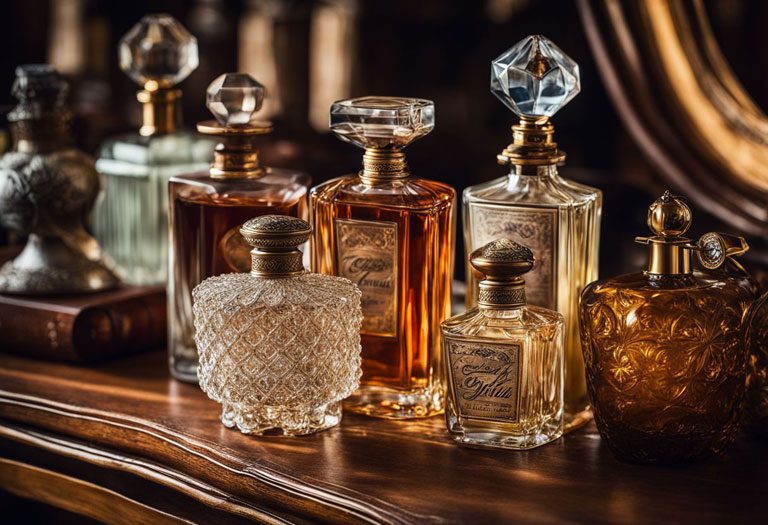
Perfume has been an integral part of human VERSACE WOMAN culture for thousands of years, transcending borders, traditions, and generations. From the ancient Egyptians who used fragrant oils in religious rituals to the modern-day shelves lined with luxurious designer bottles, perfumes have always held a unique place in our lives. They are more than just pleasant smells; they are expressions of personality, mood, and even memory.
A Brief History of Perfume
The word “perfume” originates from the Latin phrase per fumum, meaning “through smoke,” referring to the early practice of burning aromatic materials to release their scent. Ancient civilizations such as Egypt, Mesopotamia, India, and China crafted fragrances using natural ingredients like flowers, herbs, spices, and resins. The Egyptians, for instance, used perfume in both everyday life and religious ceremonies, believing it connected them to the divine.
Perfume spread through the Greek and Roman empires, eventually reaching Europe during the Middle Ages. By the Renaissance, it became a symbol of luxury and sophistication, especially in France, which is still considered the heart of the perfume industry today.
The Art and Science Behind Perfume
Creating perfume is a delicate balance of art and chemistry. Perfumers, often called “noses,” use a blend of natural extracts and synthetic compounds to create unique scents. These scents are structured in layers, known as fragrance notes:
- Top Notes – The first impression, often light and refreshing, such as citrus, mint, or herbs.
- Middle Notes (Heart Notes) – The core of the fragrance, typically floral, spicy, or fruity.
- Base Notes – The lasting impression, often warm and deep, such as musk, amber, or vanilla.
A perfume’s success lies in the harmonious combination of these notes, which unfold gradually after application.
Perfume as a Personal Statement
Perfume is deeply personal. The same scent can smell entirely different on two people due to variations in skin chemistry, body temperature, and even diet. This uniqueness is why perfume is often seen as an extension of one’s personality. A fresh, citrusy scent might convey energy and playfulness, while a deep, woody aroma may express elegance and mystery.
Choosing the right perfume often depends on mood, occasion, and even the season. Light floral or fruity fragrances work well during the day or in warmer months, while richer, spicier scents are more suitable for evenings and winter.
The Psychological Power of Scent
Our sense of smell is closely linked to memory and emotion. A whiff of a particular perfume can instantly transport someone back to a cherished moment or remind them of a loved one. This emotional connection is why many people have a “signature scent” that becomes part of their identity.
Perfumes can also influence mood. Fresh, citrusy scents can boost energy, lavender can promote relaxation, and warm vanilla tones can create feelings of comfort and warmth.
The Modern Perfume Industry
Today, the perfume industry is a global giant, offering countless options to suit every taste and budget. From luxury brands like Chanel, Dior, and Tom Ford to affordable yet impressive scents from emerging designers, there is a perfume for everyone. The industry is also evolving with trends such as:
- Unisex Fragrances – Breaking traditional gender barriers in scent marketing.
- Natural and Sustainable Perfumes – Using eco-friendly ingredients and packaging.
- Personalized Perfumes – Customizing scents to match individual preferences.
Caring for Your Perfume
To ensure your perfume lasts longer, store it in a cool, dark place away from direct sunlight and heat. Perfume is delicate, and exposure to light and air can alter its composition over time. When applying, spray lightly on pulse points like the wrists, neck, and behind the ears for a lasting effect.
Conclusion
Perfume is more than a beauty product; it is an invisible accessory that speaks volumes about who we are. It is art, science, and emotion bottled into a single creation. Whether you wear it daily or save it for special occasions, perfume has the power to evoke memories, express individuality, and elevate moments. As trends and tastes evolve, one thing remains certain: the timeless allure of perfume will continue to enchant the senses for generations to come.